
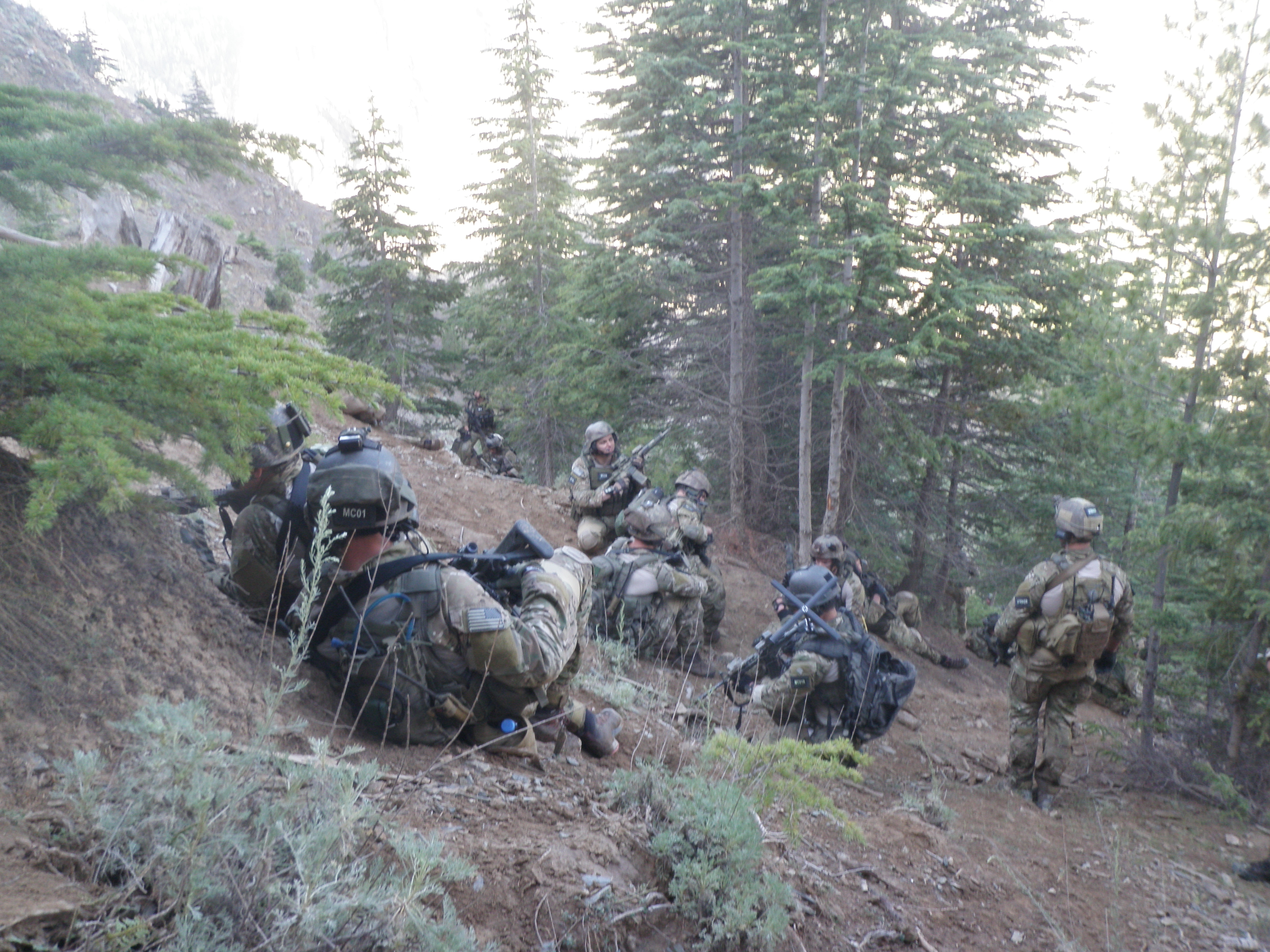
On leadership: You play how you practice.
You’ve probably heard it before. You may have heard it so much you are beginning to consider it a cliché, something to not even concern yourself with anymore. Here’s the funny thing about clichés: They started out as true wisdom.
I’m not sure if this saying has become cliché or not. Either way, it doesn’t matter. It’s still an important point we need to be reminded of. Why? Because it’s true. How you do anything is how you do everything.
When I was a platoon commander at SEAL Team 1, I established some behavioral guidelines for the platoon to live by. We talked about them constantly. We evaluated daily whether we lived by them. Not just for combat operations, but for everything we did.
What were these guidelines?
- Unemotional and methodical: This did not mean robotic or unfeeling. Navy SEALs are among the most passionate group of individuals you will ever meet, often to our detriment. It meant acknowledging whatever emotion was overtaking you, and then executing in an unemotional and methodical manner because there is enough emotion to go around. Adding to it doesn’t help.
- Default mode of operation action/aggression: Simply put, when given two scenarios of equal consequence and you can either sit back or act, we acted. And we acted with aggression. Sometimes the right move is to sit back and wait. But when we’re not sure, we go!
- Prioritize and execute to completion: There are always a million things going on. It is impossible to tackle them all at the same time. If you try, you will fail. Figure out what is most important, finish it, move on to the next.
- Discipline planning: If it’s worth doing, it’s worth doing to the best of your ability. Period. The only way to do something to the best of your ability is to plan with discipline.
The ironic part about these behavioral guidelines that defined our culture, that defined how we did business, is that I very rarely had to address them during operations and operational training. Why is that? Is it because we were professionals that knew these behaviors were essential to combat success? Perhaps.
Or is it because we lived these behaviors for everything we did? Probably.
What do I mean by this? What else is there for a SEAL Platoon to do besides combat, besides combat excellence? A lot. How we did anything was how we did everything.
The life of a SEAL Platoon is hectic and physically, mentally and emotionally exhausting to say the least. The operational tempo is second to none. However, there were mundane tasks that needed to be completed regularly. After action reports, post operation debriefs, gear maintenance, area cleanup, etc. In short, the operation was not over until the last boot was put in its proper place.
We never left something for tomorrow. After the op, the priorities were, in order, operational debrief, platoon gear maintenance, individual gear maintenance, area cleanup, after action reports, personal maintenance (aka put your clothes in the laundry, stash your gear, take a shower). We always executed our priorities, no matter how mundane, to completion.
Some of this happened after 48-hour or 72-hour operations. Exhaustion was in the air. A good night’s sleep or a beer with the boys to wind down was top of mind. Completing these tasks was enough to drive you crazy when you were exhausted. But complaining about them was never on the table because that was not how we did business. We went about our duties unemotionally and methodically because that was the fastest way to get them done.
It was the fastest way to get them done because we also planned how we were going to get them done. It wasn’t an elaborate plan that took long to concoct, but there was always a plan. Why? Because how we did anything was how we did everything.
You get the point. Now reflect on yourself.
How do you handle uncomfortable conversations? Do you avoid and ignore because you’ve convinced yourself the hassle is beneath you? What else is “beneath” you? How you do anything is how you do everything.
Do you treat people who you feel can do something for you differently from the “average Joe,” someone who has nothing to offer your personal worth? Where else are you doing this? Trust me, somewhere. Because how you do anything is how you do everything.
Reflect on it. See where you land. How do you feel about where you land? Will you do something about it?

Errol Doebler is a former Navy SEAL platoon commander, FBI terrorism investigator, and founder of his leadership consulting company, Ice Cold Leader. He can be contacted at Hello@Icecoldleader.com.
Join the conversation and level up your leadership with Ice Cold Leader today 👊🏻💥
Get articles like this delivered to your inbox every week by signing up here. 👈🏻
Leave a Reply